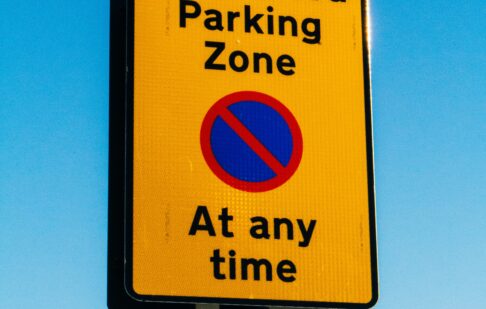
Priority bays exist in car parks across the UK to help different people, with different needs, go about their day that little bit easier.
But what do you need to know about priority parking? From who can use each space to how you stay on the right side of the rules, we’ve got you covered.
What is a priority parking space?
Priority parking spaces are typically spaces that are set aside for drivers and passengers who have different access needs. These include:
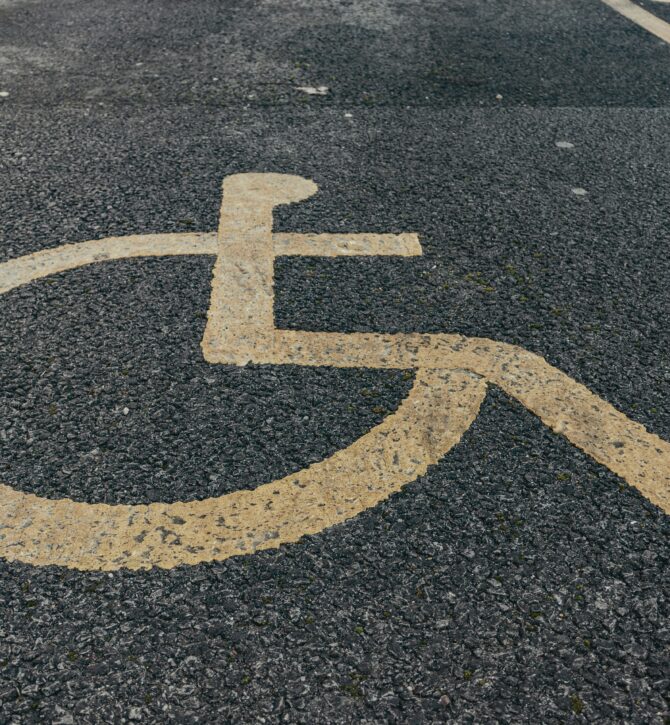
- Accessible bays & Blue Badge spaces
- Parent & Child spaces
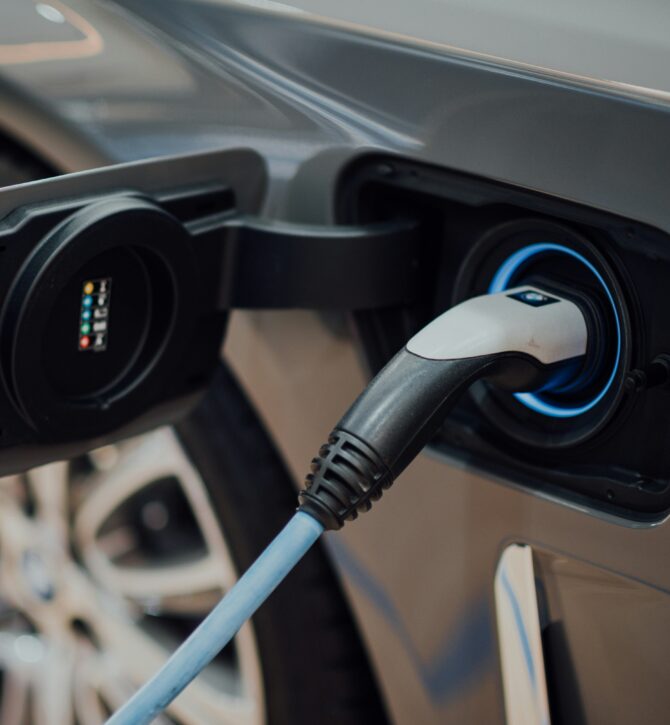
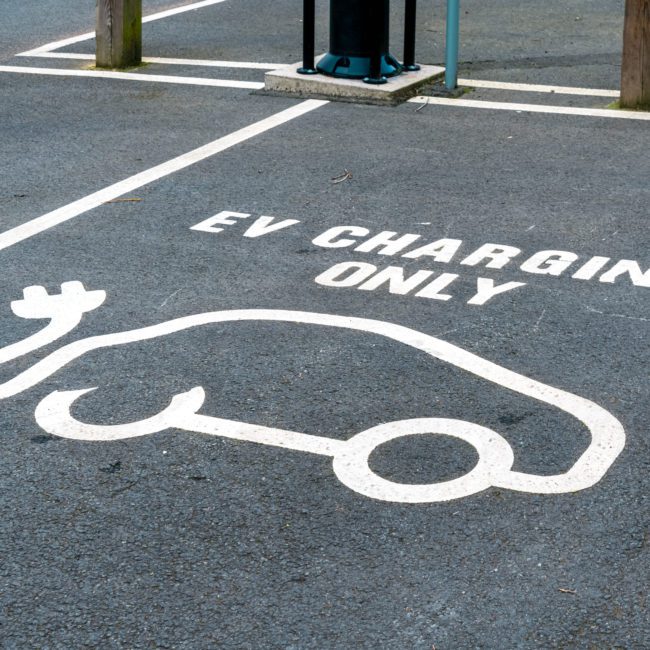
- Electric vehicle charging bays
- Motorcycle parking spaces
- Ambulance and key vehicle parking
Who can use those priority bays?
There are specific rules governing who can use each of those spaces.
- Blue Badge spaces – motorists who display a valid Blue Badge
- Parent & Child spaces – reserved for parents and guardians parking with children typically under 12
- EV Charging spaces – Electric car drivers who are actively charging
- Vehicle-specific spaces – from ambulances to specific spaces for carers, these are spaces set aside for particular vehicles and professions.
How long are you allowed to stay in those spaces for?
The amount of time you are allowed to stay parked in a space can vary from car park to car park.
The best way to check how long you can stay in a space for is to check out the signs around the car park. Signs should clearly state how long you are allowed to park for, alongside other rules such as how much you have to pay for parking and what the cost for breaking the rules could be.
How do you prove you can use that space?
Aside from Blue Badge spaces being able to prove you are supposed to be in a specific space.
When it comes to the rules governing Blue Badge spaces, there is a full guide to everything from who qualifies for a badge to how to display parking discs on the government website.
Learn more about Blue Badge rules
Depending on the site and whether something is protecting the spaces, there may be other ways to indicate where you are supposed to park, such as entering your details on a tablet in an entrance area.
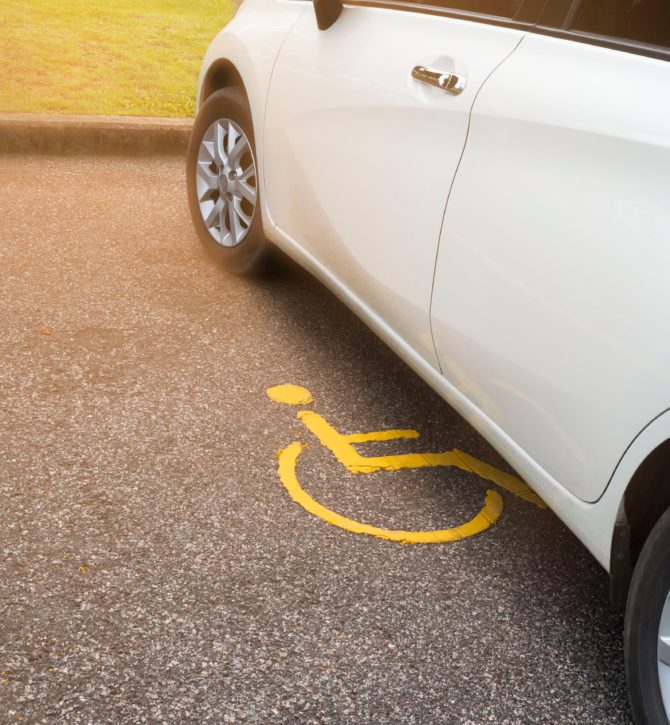
What happens if you break the rules?
There are a couple of things that happen if you break the rules in a car park.
Firstly, if you’re occupying a space that’s specifically designed for people with different accessibility requirements, then you’re making someone else’s day more difficult.
But you’re also running the risk of fines and parking tickets.
That’s not just fines from the people operating car parks either. If you are misusing a Blue Badge – such as using it to park somewhere when you don’t need the badge, you can be fined up to £1000
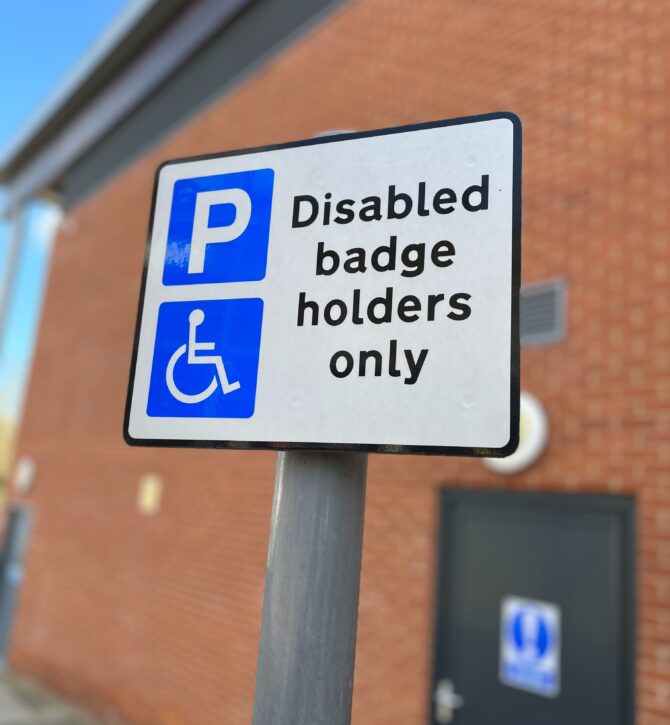
How to stay on the right side of car park rules
There’s a couple of ways to make sure you can avoid getting on the wrong side of the rules.
- Always check the signage
- If you have to display a ticket or a Blue Badge, make sure it’s visible
- Don’t overstay
Following those rules helps to make sure you’re using those spaces in a way that supports your trip and also helps to make sure car parks have the right facilities available for everyone who visits them.